
Build the systems knowledge, flight discipline, and operational judgement needed to prepare for Beyond Visual Line of Sight drone operations.
Beyond visual line of sight operations
Training scope includes both operating conditions
Airspace and flight procedure awareness
Payload handling and performance thinking
The referenced DGCA training circular describes a competency-based pathway: knowledge, skills, and attitudes should come together in observable performance.
DGCA-authorized training gives you a structured way to learn the knowledge and operating discipline expected of a remote pilot. It helps you approach employers, clients, and future training with more clarity.
Ground knowledge and theory
Flying and simulator work
Advanced BVLOS category
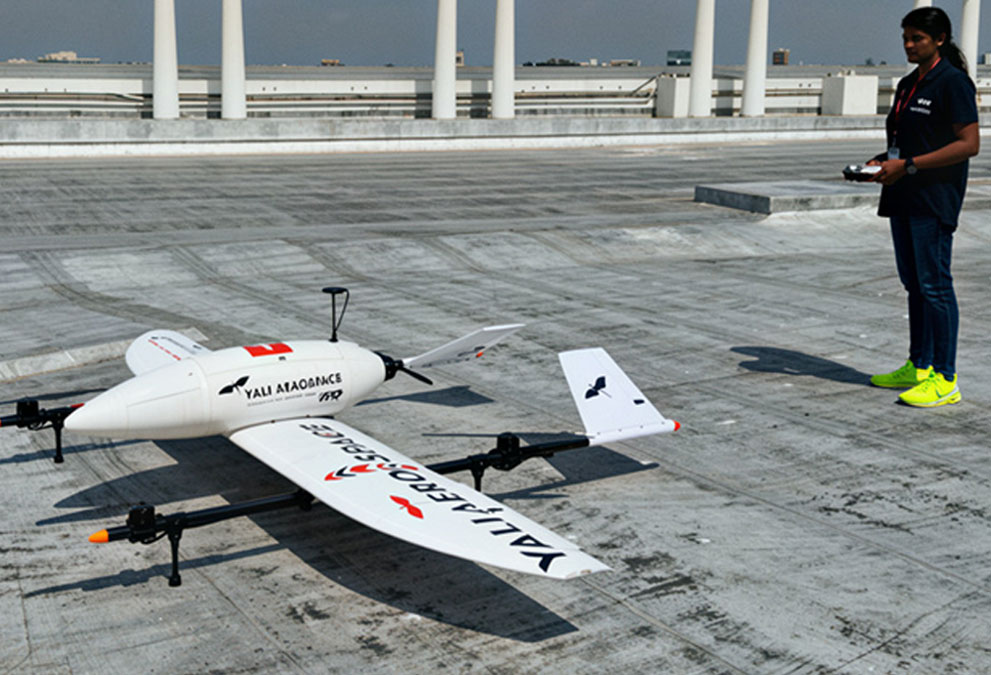
Replace either starting photo with your own training or aircraft image. Your choices stay saved in this browser until you reset them.
Start with the foundations, or ask about advanced BVLOS preparation when your work demands more range and mission complexity.
Drone Rules, aviation regulations, airspace maps, flight procedures, NOTAMs, and operating responsibilities.
Weather, atmosphere, aircraft performance, weight and balance, and the conditions that shape a mission.
Navigation, radio procedures, instrument references, and the judgement needed when the aircraft is not kept in direct sight.
Crew Resource Management, risk assessment, emergency procedures, fail-safe thinking, and decision-making under pressure.
Payload installation and use, dynamic payload handling, observation, imagery, and an introduction to drone data analysis.
Drone systems, control links, batteries, ground equipment, assembly, fault finding, repairs, and maintenance records.
BVLOS preparation asks pilots to think about the whole operation: aircraft, environment, people, payload, communications, and what happens when a plan changes.
Build repeatable habits through simulator familiarisation, instrument practice, abnormal procedures, and scenario-based checks.
Work through setup, inspection, centre-of-gravity awareness, payload handling, and pre-flight discipline.
Progress from guided flying into structured manoeuvres, mission planning, night operations, emergency procedures, and assessment.
Talk to the Yali admissions team about eligibility, documents, fees, batch dates, and the right route for your goals.